
If you are a new rabbit parent, you have probably noticed that every veterinary guide, pet blog, and experienced owner says the exact same thing: your bunny needs hay, and lots of it. Specifically, they recommend Timothy hay.
But what exactly makes this specific grass so special? Why does it dominate the small pet food market, and why is it considered an absolute non-negotiable for a healthy rabbit diet?
Let’s dive into everything you need to know about Timothy hay and why it is the gold standard for your long-eared companion.
Recommended products
Timothy Hay (1 Kg)
Original price was: ₹549.00.₹499.00Current price is: ₹499.00.
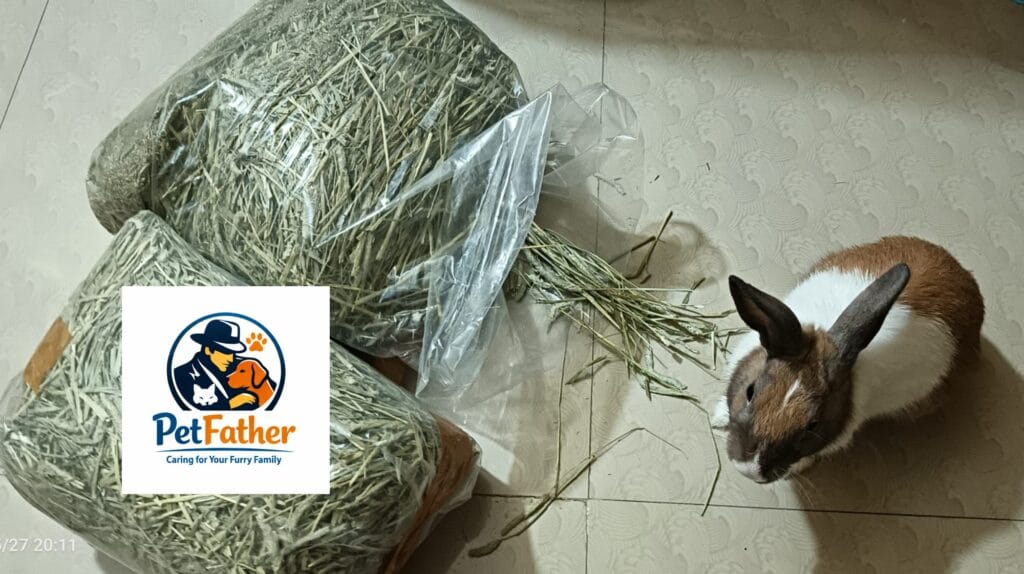
What is Timothy Hay?
Timothy hay (Phleum pratense) is a perennial grass native to Europe, but widely grown across North America. It features long, cylindrical flower heads (often called “heads” or “tassels”) and flat, structural leaves.
When harvested at the right time and dried properly, it transforms into a fragrant, sweet-smelling, green forage.
Unlike legume hays like alfalfa—which are technically part of the pea family—Timothy hay is a true grass hay. This distinction is critical because grass hays offer a very specific nutritional profile: high fiber, low protein, and low calcium.
Why Timothy Hay is Best for Rabbits and Bunnies
Rabbits are hindgut fermenters. This means their digestive systems are built exclusively to process massive amounts of coarse, fibrous plant material all day long.
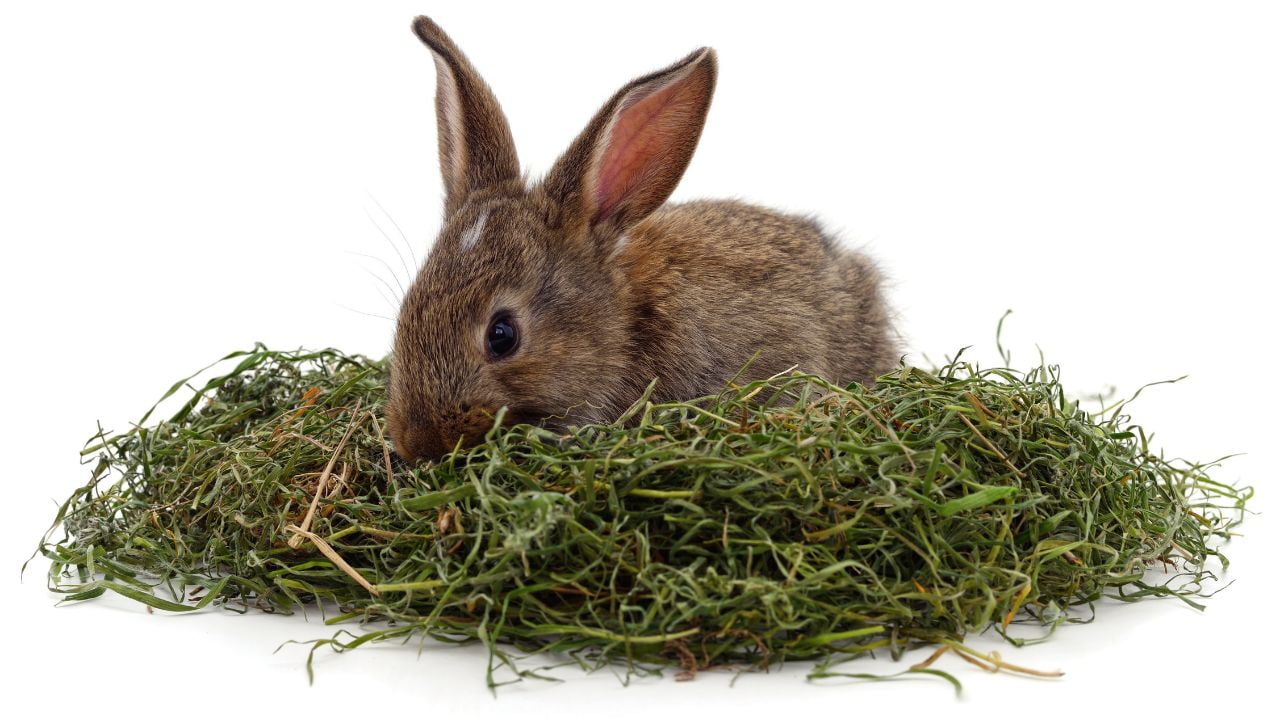
Timothy hay isn’t just a treat; it should make up 80-85% of an adult rabbit’s daily food intake. Here is why it is uniquely suited to keep your bunny thriving.
1. Superior Digestive Health (Prevents GI Stasis)
A rabbit’s gut must never stop moving. If a rabbit stops eating or lacks fiber, their digestive tract can stall—a highly dangerous, life-threatening condition known as Gastrointestinal Stasis (GI Stasis).
- The high indigestible fiber in Timothy hay stimulates the constant muscle contractions (peristalsis) of the intestines.
- It keeps the gut microbiome balanced, preventing dangerous bacteria from overtaking the cecum (the fermentation pouch).
2. Crucial Dental Wear
Did you know a rabbit’s teeth never stop growing? They can grow up to 12 centimeters a year! If they aren’t constantly ground down, a bunny can develop painful dental spurs, infections, or overgrown roots.
Pellets don’t require enough chewing to grind teeth down. The tough, silica-rich stalks of Timothy hay require a distinct side-to-side grinding motion. This natural friction wears the molars and incisors down evenly, saving you from expensive, stressful veterinary dental trims.
3. Perfectly Balanced Nutrients
Adult rabbits need a maintenance diet. High-calcium foods can cause painful bladder sludge or kidney stones, while high-protein diets lead to obesity.
| Nutrient | Timothy Hay (Ideal for Adults) | Alfalfa Hay (Too Rich for Adults) |
| Fiber | High | Moderate |
| Calcium | Low / Balanced | Very High |
| Protein | Low / Maintenance | High |
Timothy hay provides the perfect maintenance baseline. It allows them to munch all day long without packing on dangerous weight or overloading their kidneys with calcium.
Understanding the “Cuts” of Timothy Hay
When buying Timothy hay, you will usually see options labeled as 1st, 2nd, or 3rd “cut.” This simply refers to when the grass was harvested during the growing season.
- 1st Cut: The first harvest of the year. It has the highest fiber content, thickest stems, and largest seed heads. It is fantastic for dental health, though some picky rabbits find it too coarse.
- 2nd Cut: The gold standard for pet rabbits. It features a perfect, balanced mix of soft leaves and crunchy stems. It is highly palatable and easy for most adult bunnies to eat.
- 3rd Cut: The final harvest. It consists almost entirely of soft, bright green leaves with very few stems. While delicious, it lacks the high fiber needed for optimal dental wear. Use it primarily to entice older or sick rabbits to eat.
When Should You Not Feed Timothy Hay?
While Timothy hay is the best choice for adult rabbits (over 7 months old), young kits have different nutritional demands.
The Exception for Growing Bunnies: Baby bunnies under 6 months old are rapidly growing bones and muscles. They need the extra protein and calcium found in Alfalfa hay. Once your bunny hits 7 months, you should slowly transition them over to Timothy hay to prevent adult health complications.
How to Choose and Store Quality Hay
When shopping for your bunny, skip the dusty, yellowing bags sitting on clearance shelves. Look for hay that is vibrant green, clean-smelling (like fresh-cut grass), and free from excessive dust or mold.
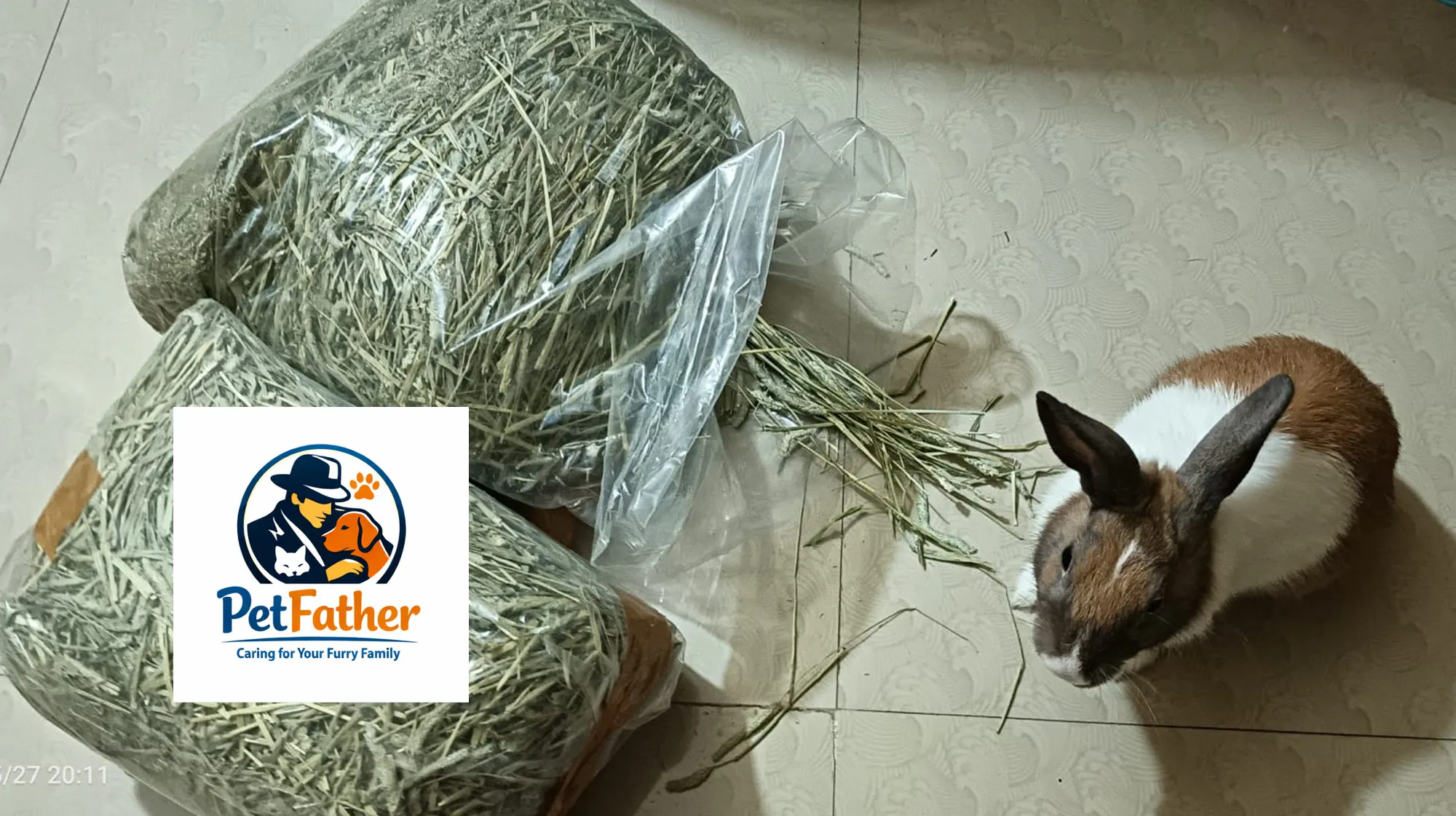
Store your hay in a breathable container—like a canvas bag, cardboard box, or a laundry basket. Never seal it in an airtight plastic bin, as trapped moisture will cause mold to grow, which can be toxic to your rabbit.
By keeping an endless supply of fresh Timothy hay in your rabbit’s litter box or hay rack, you are giving them the absolute best foundation for a happy, healthy, and hopping life!

I am a pet expert dealing with Cats, Dogs, Birds, Rabbits and Aquarium fish for the last 10 years. Now it is time to share my knowledge with you. I am very passionate about sharing everything that I learned so far about pet care. Watch my Youtube channel Petfather